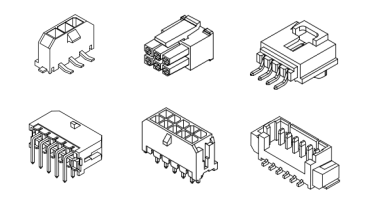
Inspire Creation | Smart Connection
Wire-to-wire connectors are critical components for establishing secure and efficient electrical connections between wires or cables without the need for permanent soldering. These connectors are designed to be disconnectable, enabling easy assembly, maintenance, and reconfiguration of wiring systems. The following outlines common JST wire-to-wire connector types

Pitch: 1.8 mm
Circuit size: 2 (single row)
Max current: 3.2A AC/DC
Applicable Wire: AWG 26-22

Pitch: 2.0 mm
Circuit size: 2 to 8 (single/dual row)
Max current: 3A AC/DC
Applicable Wire: AWG 26-22

Pitch: 2.5 mm
Circuit size: 2 to 12 (single row)
Max current: 3A AC/DC
Applicable Wire: AWG 28-22

Pitch: 2.5 mm
Circuit size: 2 (single row)
Max current: 1A AC/DC
Applicable Wire: AWG 30-26

Pitch: 2.5 mm
Circuit size: 2 to 20 (single row)
Max current: 1A AC/DC
Applicable Wire: AWG 28-20

Pitch: 2.5 mm
Circuit size: 2 to 20 (single row)
Max current: 3A AC/DC
Applicable Wire: AWG 28-22

Pitch: 3.5 mm
Circuit size: 2 (single row)
Max current: 1AAC/DC
Applicable Wire: AWG 28-24

Pitch: 4.5 mm
Circuit size: 2,3,4,6,9,12,15 (single/dual/triple row)
Max current: 10A AC/DC
Applicable Wire: AWG 26-16

Pitch: 4.5 mm
Circuit size: 2,3,4,6,8, 9,12,15,16 (single/dual/triple row)
Max current: 10A AC/DC
Applicable Wire: AWG 26-16

Pitch: 6.2 mm
Circuit size: 1 to 12 (single/dual/triple row)
Max current: 20A AC/DC
Applicable Wire: AWG 20-12
Wire-to-board connectors are essential components for establishing reliable and efficient electrical connections between wires or cables and a printed circuit board (PCB) without the permanent nature of soldering. These connectors are designed to be disconnectable, allowing for easy assembly, maintenance, and replacement of components. The following outlines common JST wire-to-board connector types, providing a guide for understanding the variety and applications of these widely adopted solutions across industries including electronics and automotive.

The JST SUR connector is a compact, 0.8 mm pitch wire-to-board insulation displacement connector (IDC), notable as the world’s first of its kind. It features a low-profile design and high contact reliability, requiring no crimping. Commonly used in high-density electronics, it excels in applications like laptops, smartphones, and wearable devices, where space is limited. Its heat-resistant housing supports reflow soldering, making it ideal for automated PCB assembly in consumer electronics and miniature digital products.

The JST SH connector, the world’s first 1.0 mm pitch crimp-style wire-to-board connector, boasts a compact, low-profile design. Its housing lance system ensures smooth contact insertion with smaller wires, while the high-pressure contact design delivers reliable, assured connections. Rated for 1.0 A and 50 V, this space-saving connector excels in high-density applications like wearables, laptops, drones, and medical devices, offering excellent performance and dependability in compact electronics.
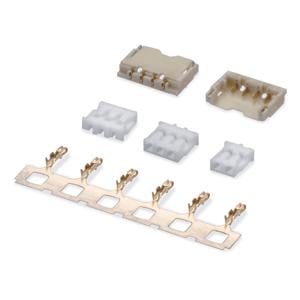
The JST ACH connector is designed for DC power supply, offering a compact and low-profile build. Its 1.2mm pitch and small size (1.4mm height, 4.3mm width) make it suitable for space-limited applications. It features a locking mechanism for secure connections. This makes it ideal for LED lamps and small electronic devices needing reliable power in tight spaces.

The JST GH connector is a 1.25 mm pitch, wire-to-board connector designed for high-density applications. Featuring a secure locking mechanism and low insertion force, it ensures reliable, easy mating. Its compact, low-profile design suits small electronics. It’s widely used in devices like LCDs, PDPs, notebooks, and drones, where space-saving and dependable connections are critical.

The JST GHD connector is a compact, double-row wire-to-board solution designed for high-density PCB mounting. Its small size and reliable locking mechanism make it ideal for space-constrained electronics. Commonly used in flat-panel TVs, AV equipment, and other consumer devices, it ensures secure connections despite its miniature footprint. The GHD’s ease of use and durability cater to automated assembly processes, making it a top choice for manufacturers seeking efficiency and performance in tight layouts.

The JST ZH connector is a compact, low-profile component widely used in consumer electronics, industrial controls, medical equipment, and hobbyist projects. Its small size suits space-limited applications, while its reliable design and compatibility boost its versatility. From household appliances to industrial automation, it supports critical electrical connections in numerous electronic products.
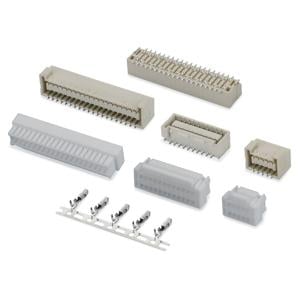
The JST ZPD connector is a wire-to-board solution tailored for high-density PCB designs, featuring a dual-row structure and a secure lock mechanism. It offers low insertion force and a smooth mating experience, ensuring dependable connections. With excellent resistance to prying during insertion and extraction, plus a suction area for automated assembly, it’s ideal for applications like wearables, medical devices, and industrial equipment needing reliable, compact connectivity.
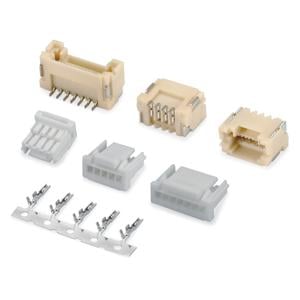
The JST ZE connector, a 1.5 mm pitch wire-to-board solution, excels in high-density PCB designs with its solid locking feature. It offers low insertion force and a tactile click for easy, reliable mating. The secure lock and large outer design ensure confidence in connection and release, while the housing prevents mismating. Exceptionally simple to assemble, it’s ideal for applications like consumer electronics, automotive systems, and industrial controls.

The JST PH connector is a low-profile, wire-to-board solution with a space-saving design, boasting a mounting height of 8 mm and a slim 4.5 mm width in its top-entry form. Its boxed-shaped shrouded header ensures high reliability, making it ideal for high-density PCBs in compact electronic equipment. Offering excellent functionality for PCB mounting, it’s widely used in applications like consumer electronics and small devices. SMT headers are available from 2 to 16 positions.

The JST PUD connector, a 2.0 mm pitch, dual-row wire-to-board solution, features a robust locking mechanism for reliable contact under vibration and stress. Its design ensures low insertion force and high precision alignment between housing and header, simplifying board mounting. With high-reliability contacts, easy operation, and optional boss headers for polarization, it’s ideal for automotive systems, industrial controls, and consumer electronics needing secure, efficient connections.
The JST XH connector is a highly reliable, versatile wire-to-board solution with a 2.5 mm pitch and a low-profile assembled height of 9.8 mm, perfect for space-sensitive designs. It features an original double-leaf contact design for secure connections, a box-shaped shrouded header, and an optional boss variant. Commonly used in home automation systems, LED lighting, and small appliances, it ensures dependable performance.

The JST VH connector is a small, field-proven solution for printed circuit boards, offering reliability and a large current carrying capacity. Its versatile design supports a wide range of signal, power supply, and output circuits, making it a trusted choice in consumer electronics. Common applications include power supplies in appliances, industrial equipment, and automotive systems, where its robust performance excels.
However, JST does not offer an SMT version of the VH series. In contrast, LDZY Electronics provides both straight and right-angle SMT versions, expanding options for surface-mount applications.
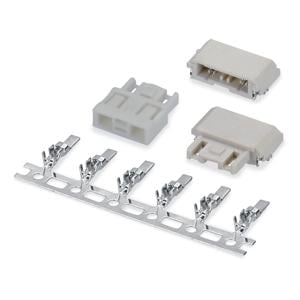
The JST LEB connector, tailored for LED lighting, boasts a low-profile height of 2.7 mm, optimizing space in compact designs. It supports horizontal PCB connections, incorporating a misalignment absorption mechanism (pitch direction only) to handle parallel setups and thermal expansion. High-pressure fork-type contacts ensure stable performance despite PCB movement, while a prevention feature stops incorrect insertion. Compatible with crimp-type sockets, it shares PCB layouts with plug and receptacle types. Common applications include LED lighting systems, automotive displays, and compact electronics requiring reliable, space-saving connections
JST 2.0 mm connectors are a top pick for engineers needing compact, reliable solutions. With a 2.0 mm pitch, they suit wire-to-board and wire-to-wire uses in consumer electronics, automotive, and industrial automation. This post covers four key types—JST PH, PA, PHD, and PUD—to match your project, from battery packs to high-density systems. See how they can power your next design with LDZY Electronics’ expertise.
The JST PH connector is a go-to for engineers needing a small yet reliable wire-to-board solution. With its 2.0 mm pitch, this single-row connector is designed for high-density, low-profile applications. You’ll find JST PH connectors in battery packs for portable devices, 3D printers, and small consumer electronics where space and efficiency are critical. Its crimp-style design ensures secure connections without bulk, offering a balance of simplicity and performance.

For projects requiring a bit more robustness, the JST PA connector steps up with a secure locking mechanism. This 2.0 mm pitch connector works for both wire-to-board and wire-to-wire setups, offering flexibility across applications. The locking feature ensures connections stay firm, even under stress, making it ideal for telecommunications equipment, medical devices, and automotive systems. Engineers value the JST PA for its ability to handle moderate power needs while maintaining a compact footprint, blending security with adaptability.
The JST PUD connector brings a unique edge with its low insertion force and secure locking system. Another dual-row option with a 2.0 mm pitch, it ranges from 8 to 40 pins, handling up to 3A and 250V in a straight orientation. The low-force design simplifies assembly while the locking mechanism ensures durability, making it a standout for high-volume production lines. You’ll see JST PUD connectors in automotive electronics, robust equipment, and applications where frequent mating cycles are a factor. It’s built for reliability in demanding conditions, offering a practical solution for projects needing both ease of use and lasting performance.

The JST PHD is a dual-row, wire-to-board connector with a 2.0 mm pitch, designed for compact, high-density applications. Featuring a low-profile mounting height of 8.8 mm and a slim 5 mm depth, it supports device miniaturization while saving space. Its box-shaped shrouded header ensures high reliability, making it ideal for efficient, robust connections in space-constrained designs.
JST 2.0 mm connectors—PH, PA, PHD, and PUD—each bring distinct strengths to the table. The PH excels in compact, low-profile designs, while the PA offers secure versatility. The PHD tackles high-density needs with power, and the PUD combines low-force assembly with rugged reliability. No matter your project, these connectors provide proven solutions for efficient, dependable connections. At LDZY Electronics, we specialize in alternatives and custom assemblies tailored to these JST types, ensuring you get exactly what your design requires. Ready to power your next project? Contact us for a quote today!
Tin plating is a critical choice in electronic connectors, impacting everything from reliability to aesthetics. At LDZY Electronics, we know that selecting the right finish—bright tin or matte tin—can make or break your project. In this post, we’ll break down the essentials of these two plating options to help you decide what’s best for your connectors.
Bright tin plating delivers a shiny, smooth, and eye-catching finish, thanks to organic brighteners added during the electroplating process. These additives create a fine-grain structure, making it ideal for connectors where appearance matters, like exposed pin headers or cold-pressed terminals. However, the higher organic content can compromise performance in certain applications. It’s a popular choice for press-fit connectors or parts needing low insertion force.
Matte tin plating, on the other hand, offers a dull, non-reflective finish with a rougher texture. It skips the brighteners, keeping organic content low and resulting in larger, denser grains. This makes it a go-to for connectors requiring robust soldering, such as wire-to-board setups or SMT components.
Following is a picture of molex micro fit through hole header (bright tin plating) and SMT header (matte tin plating).
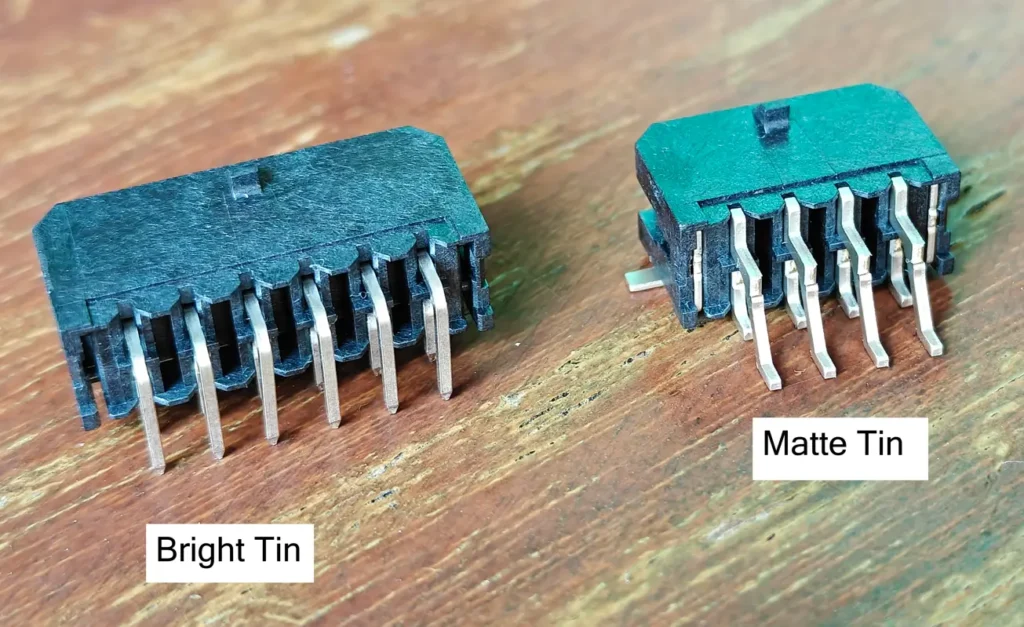
Here’s a quick comparison of bright tin and matte tin plating:
| Feature | Bright Tin | Matte Tin |
|---|---|---|
| Appearance | Shiny, smooth, glossy | Dull, matte, non-reflective |
| Solderability | Weaker; prone to de-wetting and whiskers | Superior; stable joints, low whisker risk |
| Temperature Resistance | Oxidizes or discolors at high heat | Handles high heat without issues |
| Cost & Applications | Cheaper; suits aesthetics, low-friction | Pricier; ideal for reliability (e.g., automotive) |
| Other Factors | Resists fingerprints, may darken after baking | Better oxidation resistance, may blacken with friction |
The JST EH and XH connectors stand out as popular choices for 2.5mm pitch applications. Both are reliable, compact, and widely used—but they’re not identical. So, how do you decide between JST EH and XH for your next project? In this post, we’ll break down their features, differences, and ideal use cases to help you choose.
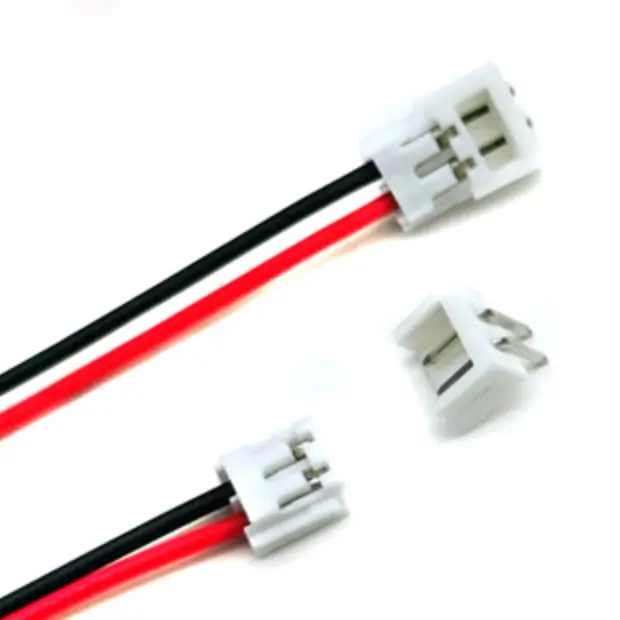
The JST EH series is designed for high-density connections where space is at a premium. With a 2.5mm pitch and a slim, shrouded header, it’s a go-to option for compact PCB layouts. Rated at 3A and 250V AC/DC, the EH connector delivers solid performance in small packages. Its low-profile design ensures secure mating, while the shrouded header prevents misalignment—perfect for applications requiring precision.
Best for:
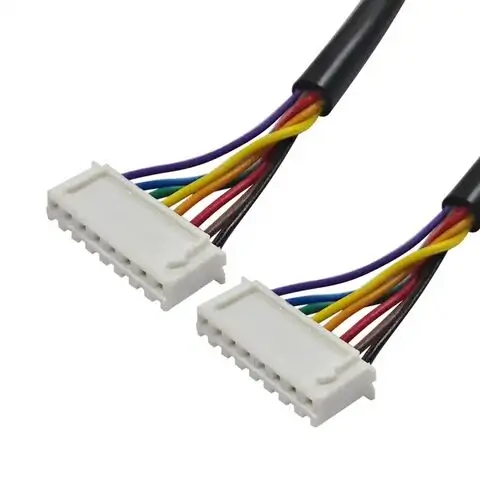
The JST XH series also uses a 2.5mm pitch but offers a slightly different approach. With a low mounting height of 9.8mm and a compact yet versatile design, XH connectors strike a balance between size and adaptability. Like the EH, they’re rated at 3A and 250V AC/DC, making them equally capable in terms of power. The XH’s design prioritizes ease of use and compatibility, which has made it a staple in a variety of industries.
Best for:
While JST EH and XH connectors share some traits, their distinctions are critical for your project:
So, JST EH or XH—which is right for you? It hinges on your project’s needs. The EH, with its slim design and through-hole mounting, is ideal for tight PCB layouts. The XH, with through-hole and SMT options, offers greater flexibility for diverse applications. Both deliver reliable performance, so matching their strengths to your design is key.
Need assistance choosing or exploring alternatives? Contact LDZY Electronics today for expert advice or a custom quote!
Surface Mount Device (SMD) connectors are a cornerstone of modern electronics, enabling compact, efficient, and reliable connections in everything from smartphones to industrial machinery. As part of Surface Mount Technology (SMT), SMD connectors are mounted directly onto the surface of printed circuit boards (PCBs), eliminating the need for through-holes and allowing for sleeker, more space-efficient designs. This guide delves into the various types of SMD connectors, their applications, and how to choose the right one for your project—whether you’re an engineer, procurement specialist, or project manager.

SMD connectors are essential components in today’s electronics, designed to be soldered directly onto the surface of a PCB. Unlike traditional through-hole connectors, which require drilled holes, SMD connectors save space and streamline the manufacturing process. This makes them ideal for high-density, compact designs in industries where size and efficiency are critical.
Key benefits of SMD connectors include:
Understanding the different types of SMD connectors is crucial for selecting the right one for your project. Below, we break down the main categories based on rows, orientation, function, and special features.

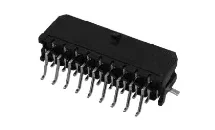
SMD connectors are used across a wide range of industries, thanks to their compact size and reliability. Here are some key applications:
Selecting the correct SMD connector requires careful consideration of several factors. Here’s what to keep in mind:
| Selection Criteria | Description | Example Considerations |
|---|---|---|
| Number of Contacts | Must match required connections | Single-pin vs. multi-pin |
| Pitch | Spacing between contacts (e.g., 0.4mm, 2.54mm) | PCB pad alignment |
| Current/Voltage Ratings | Handles electrical load | High current for power, low for signals |
| Environmental Conditions | Waterproof, temperature resistance | Harsh industrial, automotive use |
| Mating Compatibility | Ensures proper connection with counterpart | Board-to-board, wire-to-board setups |
To ensure your SMD connectors perform optimally, follow these implementation tips:
SMD connectors are a vital component in modern electronics, offering a range of types—from single-row to waterproof options—to suit diverse applications. Choosing the right connector ensures your project’s success, whether you’re working on consumer electronics, industrial systems, or automotive designs.
Have you ever found yourself staring at a tiny connector, unsure if it’s the right one for your project? If you work with electronics, you’ve likely encountered JST connectors. These small yet essential components connect wires and boards in devices like 3D printers, drones, and rechargeable battery packs. However, with numerous series and similar-looking connectors from other manufacturers, identifying the correct JST connector can feel like solving a puzzle.
Don’t worry! In this detailed guide, we’ll walk you through the process of identifying JST connectors step by step, equipping you with the knowledge to ensure compatibility, safety, and success in your electronic projects. Whether you’re an engineer, a DIY enthusiast, or sourcing parts for a larger operation, this JST connector identification guide has you covered.
Before diving into identification, let’s clarify what JST connectors are. JST stands for Japan Solderless Terminal, the name of a Japanese company (J.S.T. Mfg. Co., Ltd.) renowned for producing high-quality electrical connectors. Contrary to a common misconception, “JST” doesn’t refer to a single type of connector but to the manufacturer. JST offers a variety of connector series, each tailored to specific applications with distinct specifications.
Here’s a handy reference for popular JST connector types:
| attributes \ series | JST SH | JST GH | JST ZH | JST PH | JST XH | JST SM | JST EH | JST RCY |
|---|---|---|---|---|---|---|---|---|
| LDZY series | A1001 | A1257 | A1500 | A2001 | A2501 | C2505 | A2502 | C2510 |
| pitch | 1.0mm | 1.25mm | 1.5mm | 2.0mm | 2.5mm | 2.5mm | 2.5mm | 2.5mm |
| circuit size | 2 – 20 | 2 – 15 | 2 – 13 | 2 – 16 | 1 – 20 | 2 – 18 | 2 – 15 | 2 |
| current rating | 1A | 1A | 1A | 2A | 3A | 3A | 3A | 3A |
| voltage rating | 50V | 50V | 50V | 100V | 250V | 250V | 250V | 250V |
| applicable wire (AWG) | 32 – 28 | 30 – 26 | 32 – 26 | 32 – 24 | 30 – 22 | 28 – 22 | 32 – 22 | 28 – 22 |
| configurations | wire to board | wire to board | wire to board | wire to board | wire to board | wire to wire | wire to board | wire to wire |
| single row | YES | YES | YES | YES | YES | YES | YES | YES |
| dual row | NO | NO | NO | NO | NO | YES | NO | NO |
| locking feature | NO | YES | NO | YES | YES | YES | YES | NO |
| through hole type | NO | NO | YES | YES | YES | / | YES | / |
| SMT type | YES | YES | YES | YES | YES | / | NO | / |
How they look:
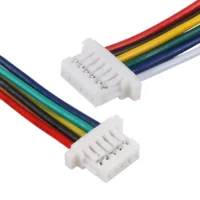
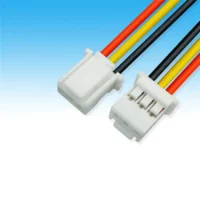
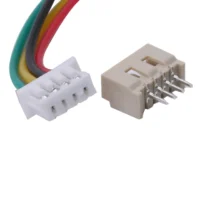
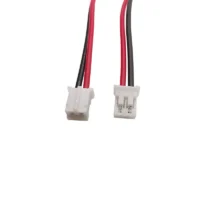
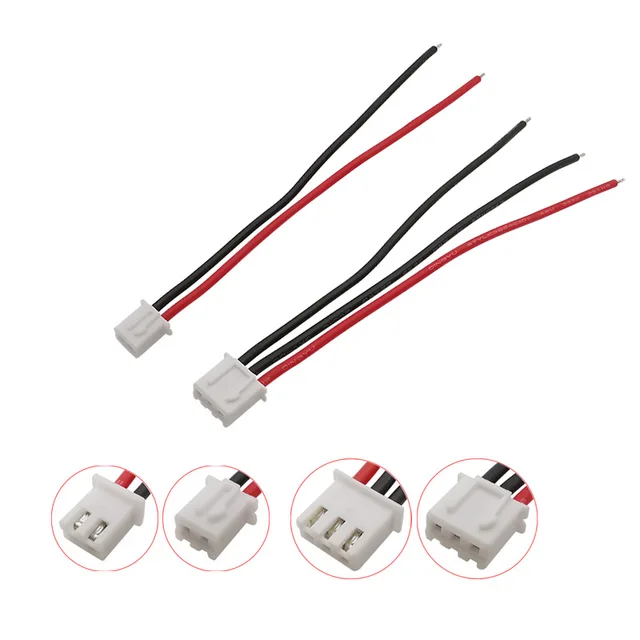
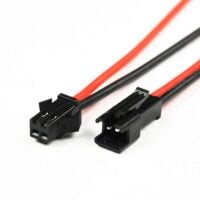
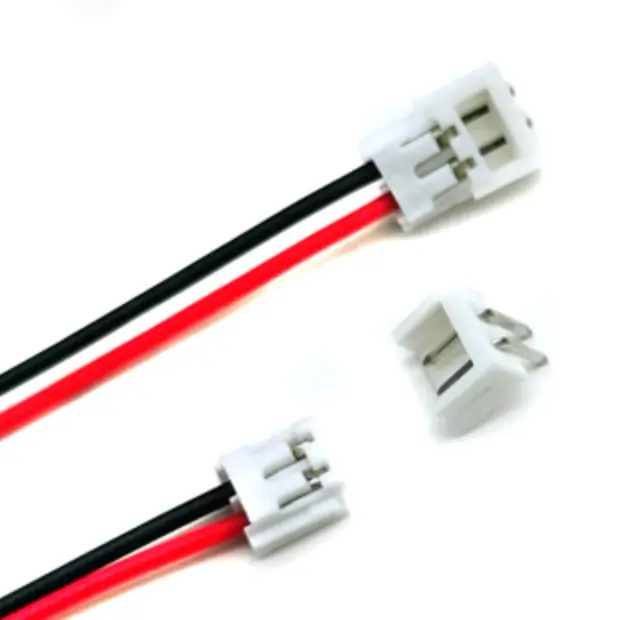
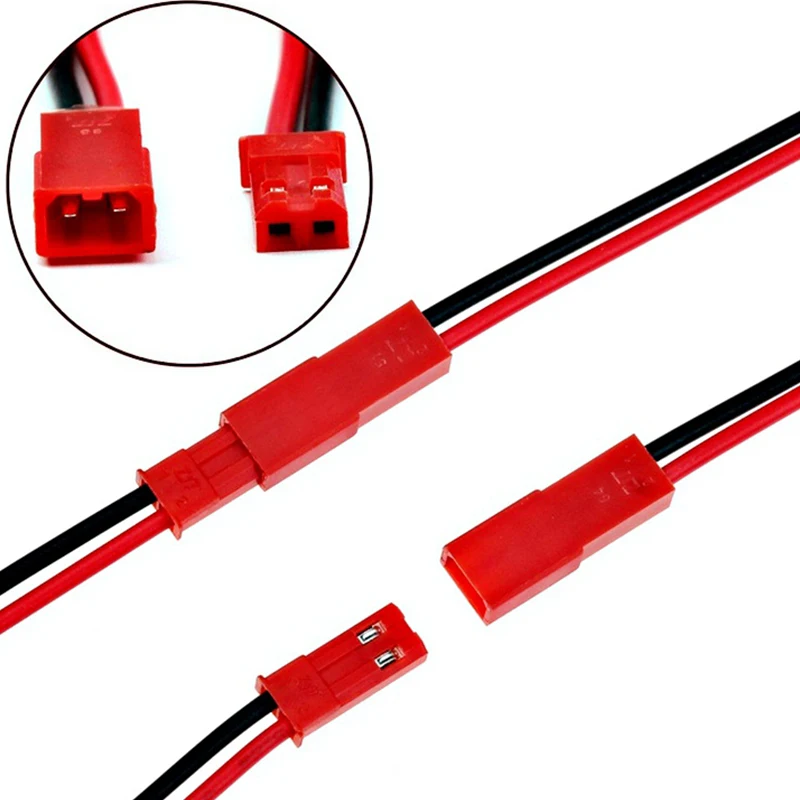
Here’s the catch: many connectors resemble JST products but come from other manufacturers. This similarity makes precise identification critical to avoid mix-ups.
Why bother with proper identification? The stakes are higher than you might think:
Taking a few minutes to identify the right JST connector can save you time, money, and headaches down the line.
To pinpoint the correct JST connector, focus on these four key parameters:
Mastering these parameters is the foundation of successful identification.
Ready to identify your JST connector? Follow this straightforward five-step process:
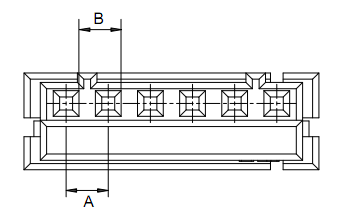
Avoid pitfalls and boost accuracy with these practical tips:
Identifying JST connectors doesn’t have to be a mystery. With this guide—determining the type, measuring the pitch, counting positions, checking markings, and comparing with known series—you can confidently select the right connector every time. Proper identification ensures your projects are compatible, safe, and efficient, whether you’re wiring a hobby project or sourcing parts for production.
A connector in electronics is a component that connects two (or more) conductors, thus enabling power or/and singals goes through one conductor to the other.
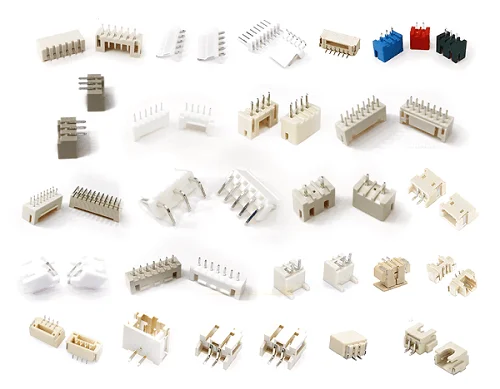
The wire-to-board connector (also known as cable to board connector) is a type of connector that connects a group of wires to a printed circuit board. They vary in circuit sizes (number of contacts), number of rows, pitch (pin-to-pin distance), current rating, applicable wires, etc.

Circuit size is the number of contacts or pins a connector has.
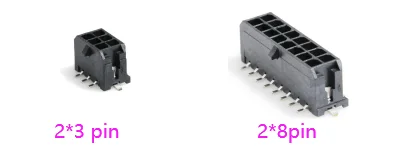
Number or row(s):


Common circuit size of wire to board connector is 2 to 30 (2*15).
Pitch of a connector, is the pin to pin distance of two neighbouring contacts.

There are board connectors, wire connectors, and terminals in a wire-to-board connection system.
A board connector (also known as PCB header or PCB connector) is a connector that is soldered onto a printed circuit board, which connects with a wire connector.
Wire connector (also called housing) holds the crimped wires for mating with the PCB header.
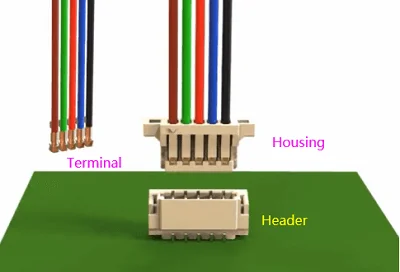
Wire-to-board connectors are often categorized by the soldering technology and wire termination technology as follows.
An SMT connector is mounted directly onto the surface of a printed circuit board. There are side entry (right angle) type and top entry (vertical or straight) type.
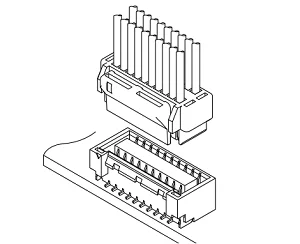
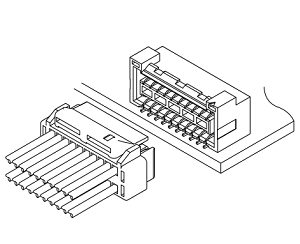
SMT connectors are usually packaged in reels for automatic processing, which reduces cost and improves quality.
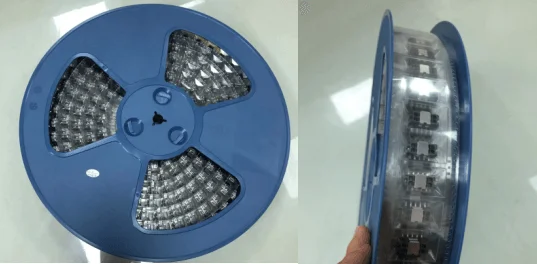
But the processing (pick, place, solder etc.) equipment is expensive.
The good news is that there are EMS (Electronic Manufacturing Service) providers worldwide who offer the processing service.
A through-hole connector is soldered after the contacts are placed into drilled holes on the PCB. It creates a stronger bond between connectors and the PCB.


The advantage of a though-hole connector is that it is perfect for larger components that will undergo high power, high voltage, and mechanical stress.
The Disadvantage of the through-hole type is that you have to drill multiple holes in the PCB. Which increases production costs and limits available space on the PCB.
Note that nowadays, for some through-hole connectors, you can also have them in a reel package for manufacturing automation.
A crimping-style wire connector is a connector housing (often made of plastic) that holds the crimped wires for mating with a PCB header.


Crimping is a simple and fast process that forms a solid connection by squeezing contact terminal and wire together, with a hand crimping tool or a crimping machine.
Good crimping creates an air-tight seal between the terminal and the wire. Which results in long-lasting, reliable connections.
To understand the crimping process, please view how to crimp Molex micro-fit.
An IDC connector (Insulation Displacement Connector) is a wire connector in which the terminals (contacts) are pre-installed into the plastic housing.

After wires are connected to an IDC connector, it mates with a PCB connector.
There are two main types of IDC connectors in wire to board category.
One type is used with discrete wires. The other type is used with ribbon cable (this type of IDC connector is also known as ribbon cable connector).


A ribbon cable is pretty simple and fast to assemble. When you have all materials prepared, a simple press with a simple tool is enough to complete the assembly.
The disadvantage of ribbon cable is the connection is inflexible, as it is just multiple discrete wires in parallel.
LDZY offers a wide range of wire to board connectors from 0.8 mm pitch to 6.2 mm pitch.
If you have any questions, or you would like to choose a wire-to-board connector for your project, please contact us!