Inspire Creation | Smart Connection
Ribbon cable assemblies are a cornerstone of modern electronics, offering a compact and organized solution for connecting components in tight spaces. However, as data rates increase and electromagnetic environments grow more complex, ensuring signal integrity and reliability becomes a critical challenge. This is where shielding plays a pivotal role. In this post, we’ll explore the technical aspects of shielding in ribbon cable assemblies, its benefits, applications, and how to choose the right solution for your needs.
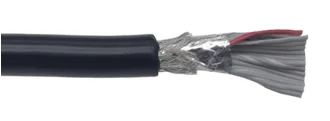
Shielding refers to the use of conductive materials around the conductors of a ribbon cable to protect against external electromagnetic interference (EMI) and internal crosstalk. Unlike unshielded ribbon cables, which are suitable for low-noise environments, shielded versions are designed for applications where signal integrity is paramount.
There are two primary types of shielding used in ribbon cable assemblies:
Shielding is not just an optional feature—it’s a necessity in many applications. Here are the key technical benefits:
In environments with high EMI—such as industrial machinery, medical equipment, or aerospace systems—external noise can degrade signal quality, leading to data errors or system failures. Shielding acts as a barrier, ensuring clean signal transmission and maintaining performance.
Ribbon cables are prized for their ability to pack multiple conductors into a flat, compact form. However, this high density increases the risk of crosstalk, where signals from one conductor interfere with another. Shielding isolates individual conductors, minimizing this risk.
As data rates climb in applications like telecommunications or data centers, maintaining signal integrity becomes more challenging. Shielded ribbon cables are essential for high-speed protocols, ensuring low signal attenuation and jitter.
Beyond EMI, shielding can also protect against environmental factors like moisture, dust, and abrasion, extending the lifespan of the cable assembly in harsh conditions.
Shielded ribbon cable assemblies are indispensable in industries where precision and reliability are non-negotiable. Examples include:
In contrast, unshielded cables may suffice for low-speed, low-noise applications, such as internal connections in simple consumer devices.
Selecting the appropriate shielding depends on several factors:
At LDZY Electronics, we specialize in designing custom flat ribbon cable assemblies tailored to your specific requirements, ensuring the right balance of performance, cost, and durability.
While shielding offers undeniable benefits, it also introduces challenges:
LDZY Electronics addresses these challenges through innovative design and material expertise, ensuring your ribbon cable assembly meets both technical and budgetary needs.
Shielding is a critical factor in the performance and reliability of ribbon cable assemblies, especially in demanding applications where EMI, crosstalk, or environmental factors pose risks. By understanding the technical benefits and trade-offs of shielding, you can make informed decisions to optimize your designs.
Need help selecting or designing a shielded ribbon cable assembly? Contact LDZY Electronics today for expert guidance and custom solutions tailored to your project.
Ribbon cable assemblies are a cornerstone of modern electronics, offering a compact and organized solution for connecting multiple signals between components. From consumer electronics to industrial equipment, these flat, flexible cables are essential for efficient and reliable data transmission.

However, ribbon cables are particularly vulnerable to mechanical stress at the points where they connect to hardware, which can compromise their performance and longevity. This is where strain relief comes in. In this post, we’ll explore the critical role of strain relief in ribbon cable assemblies, why it’s essential, and how it can enhance the durability of your systems.
Strain relief, in the context of ribbon cable assemblies, is a snap-on clip designed to protect cables from mechanical stress at the connector interface.
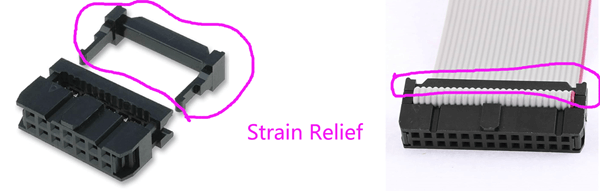
This type of strain relief attaches directly to the connector, securing the ribbon cable and preventing excessive bending, pulling, or twisting. Its design is simple yet effective, featuring a clip mechanism that snaps into place without the need for complex tools or additional manufacturing processes. Key features of strain relief include its ease of installation, reusability, and compatibility with standard connectors, making it a versatile solution for various applications.
Ribbon cables are often exposed to a range of mechanical stressors, especially in dynamic environments where movement or vibration is common. These stressors include:
Without proper strain relief, these stressors can have serious consequences, such as:
Strain relief addresses these risks by providing several key benefits. It is cost-effective, offering a simple and affordable way to extend the life of your ribbon cables. Its flexibility allows it to be easily installed or removed, making it ideal for prototyping or systems requiring frequent adjustments. Most importantly, strain relief enhances durability by distributing mechanical stress away from vulnerable points, ensuring consistent performance even in demanding conditions.
In summary, strain relief plays a vital role in ribbon cable assemblies, protecting them from mechanical stress and ensuring long-term reliability. By securing the cable at the connector, it mitigates the risks of conductor damage, signal disruption, and premature wear, making it an essential consideration for any application involving ribbon cables. Choosing the right strain relief solution is critical to achieving optimal performance, and partnering with an experienced provider can make all the difference. At LDZY Electronics, we’re committed to delivering high-quality, custom ribbon cable assemblies tailored to your specific needs, including strain relief options that enhance durability and efficiency. Contact us today to learn how we can help with your next project.
Ribbon cable assemblies are vital for connecting components in electronics, from computers to medical devices. Their quality and reliability directly impact system performance and safety, making testing essential. In this post, we’ll cover key methods to ensure your assemblies meet the highest standards.
Ribbon cable assemblies consist of multiple conductors arranged in a flat, parallel configuration, often with insulation and connectors at each end.
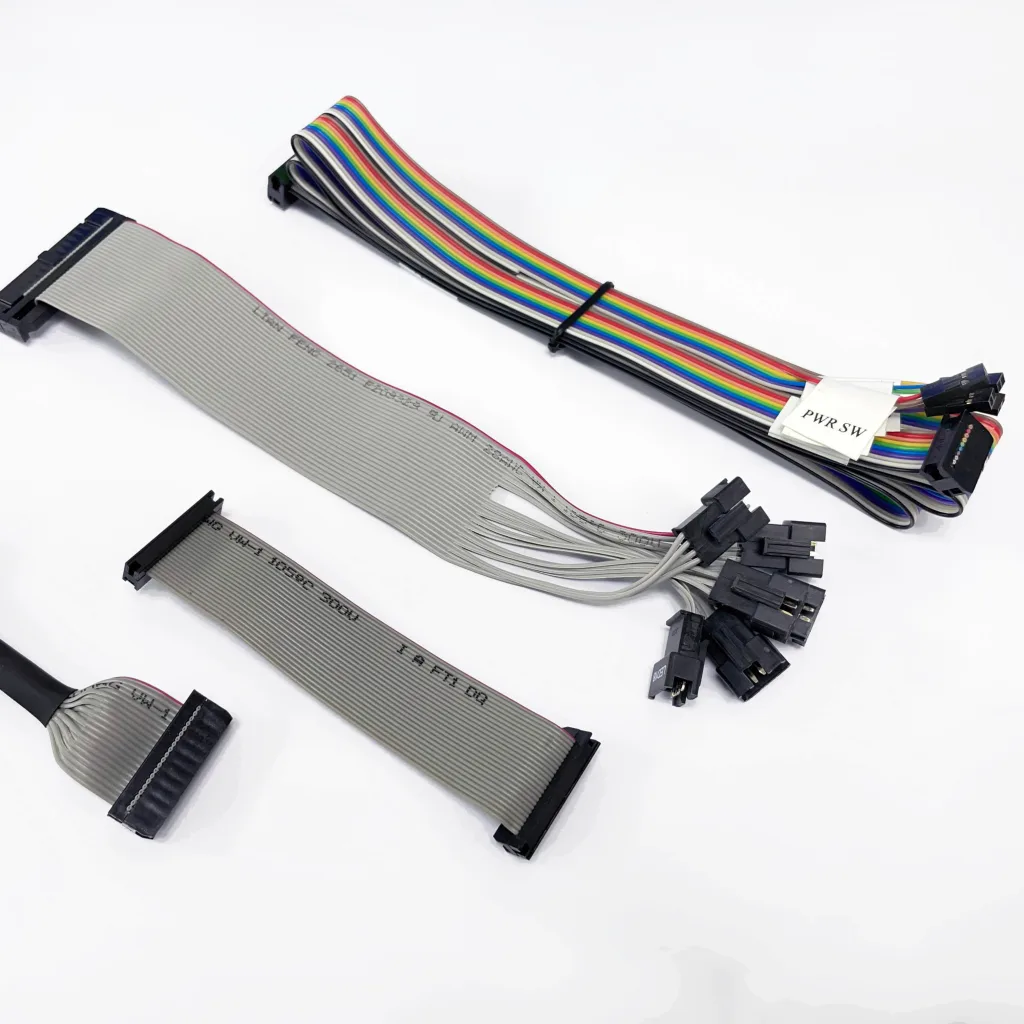
Their design allows for easy routing and connection in tight spaces, making them ideal for applications where space is at a premium. Common uses include:
The quality of a ribbon cable assembly depends on several factors, including the integrity of the conductors, the durability of the insulation, and the reliability of the connectors. Any defect in these components can lead to signal loss, short circuits, or even complete system failures.
Using untested or low-quality ribbon cable assemblies can have serious consequences. For example, a faulty assembly might cause intermittent signal loss, leading to data corruption or system crashes. In safety-critical applications, such as medical devices or automotive systems, a failure could even pose a risk to human life.
Moreover, many industries have strict standards and compliance requirements for electronic components. Organizations like the IPC (Association Connecting Electronics Industries) and UL (Underwriters Laboratories) set guidelines for the design, manufacture, and testing of cable assemblies. Failing to meet these standards can result in:
That’s why thorough testing is not just a box to check—it’s a critical step in ensuring the reliability and safety of your products.
To ensure your ribbon cable assemblies are up to standard, several testing methods should be employed. Below are the most important tests to conduct:
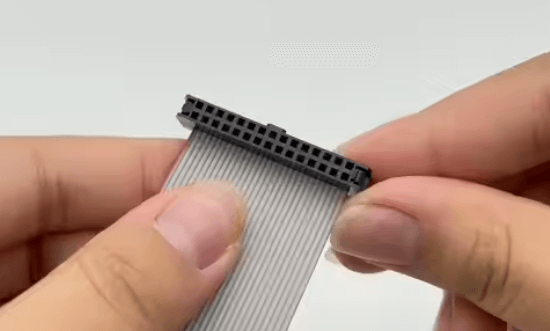
The first and most basic test is a visual inspection. This involves checking the ribbon cable assembly for any physical defects, such as:
Misalignment can lead to short circuits or signal interference. While visual inspection might seem straightforward, it’s an essential step in catching obvious defects before they cause problems. However, it’s not enough on its own—more rigorous testing is needed.

Continuity testing verifies that there is a complete electrical path through each conductor in the ribbon cable assembly. This test detects:
To perform a continuity test:
A high or infinite reading indicates an open circuit, while low resistance between different conductors signals a short. Continuity testing ensures the assembly can carry electrical signals without interruption.
Insulation resistance testing measures the resistance between conductors to ensure the insulation is effective. Poor insulation can lead to leakage current, causing signal interference or short circuits.
This test uses a megohmmeter:
Industry standards often specify minimum resistance values. This test is especially critical for assemblies in high-voltage or safety-critical applications.
For ribbon cable assemblies used in high-speed data transmission, signal integrity testing is essential. This test evaluates the quality of signals passing through the assembly, checking for:
Specialized equipment like oscilloscopes or network analyzers is required to measure performance under real-world conditions. This testing ensures the assembly can handle the demands of modern electronics with increasing data rates.
Ribbon cable assemblies often face harsh conditions like extreme temperatures, humidity, or vibration. Environmental stress testing simulates these scenarios to assess durability and reliability over time. Examples include:
This testing identifies potential weaknesses, ensuring the assembly performs reliably in the field.
Mechanical testing focuses on the physical robustness of the ribbon cable assembly. Key tests include:
This is vital for assemblies that will be frequently connected and disconnected, ensuring real-world durability.
Quality isn’t just about meeting specifications—it’s about delivering reliable performance in the real world. If you need expert guidance or custom ribbon cable assemblies, don’t hesitate to contact LDZY Electronics. Our team is here to help you find the perfect solution for your needs.
Contact us today for a quote and take the first step toward ensuring the quality and reliability of your
Molex nano-fit, molex micro-fit and molex mini-fit belong to molex fit family power connectors. Following table shows the differences and similarities.


| Attributes \ Series | Molex Nano-Fit | Molex Micro-fit (microfit) | Molex Mini-Fit |
|---|---|---|---|
| Category | Power Connectors | Power Connectors | Power Connectors |
| Pitch | 2.5mm | 3.0mm | 4.2mm |
| Current rating | up to 8.0A | up to 10.5A | up to 13.0A |
| Applicable wire (AWG) | 20 - 26 | 16 - 28 | 18 - 30 |
| Configurations | wire-to-board wire-to-wire | wire-to-board wire-to-wire board-to-board | wire-to-board wire-to-wire board-to-board |
| Single row | YES | YES | YES |
| Dual row | YES | YES | YES |
| Positive locking feature | YES | YES | YES |
| Through hole type | single row dual row | single row dual row | single row dual row |
| SMT type | single row dual row | single row dual row | NO |
| Full isolated | YES | YES | YES |
| Polarized and keyed | YES | YES | YES |
If you would like to buy cost-effective connectors. Please contact us.
Wire connectors are essential components that join electrical wires to create secure, reliable circuits. Whether you’re working on electronics, automotive projects, or home repairs, they ensure power flows safely and efficiently. At LDZY Electronics, we specialize in alternatives to Molex and JST connectors, offering solutions for all kinds of applications. Curious about how to install them? This guide has you covered.
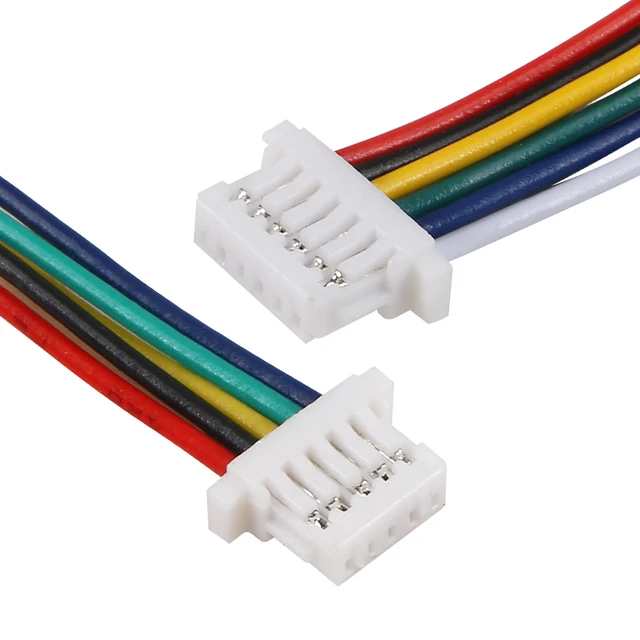
To install wire connectors properly, gather these essentials:
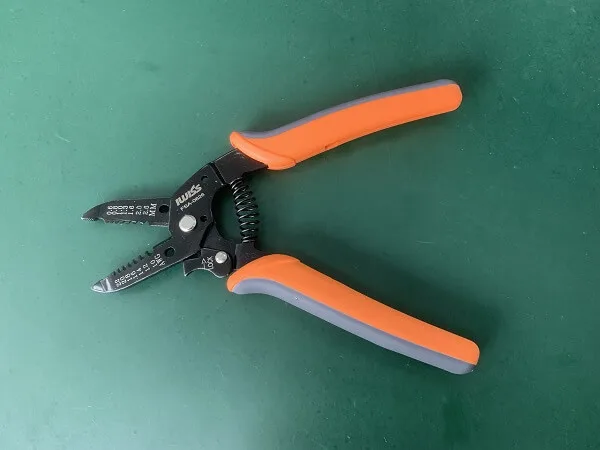
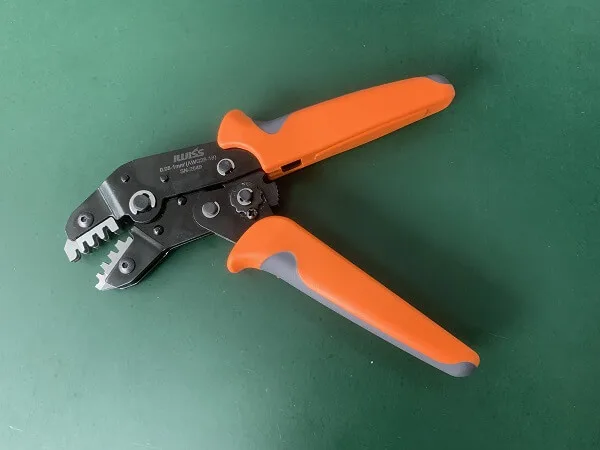
Compatibility is key—mismatched wires and connectors can lead to loose connections or failures. Double-check specs before starting.
Follow these steps for a reliable wire connector installation:
Use wire strippers to expose the conductor (typically 3-5 mm, based on terminal specs).
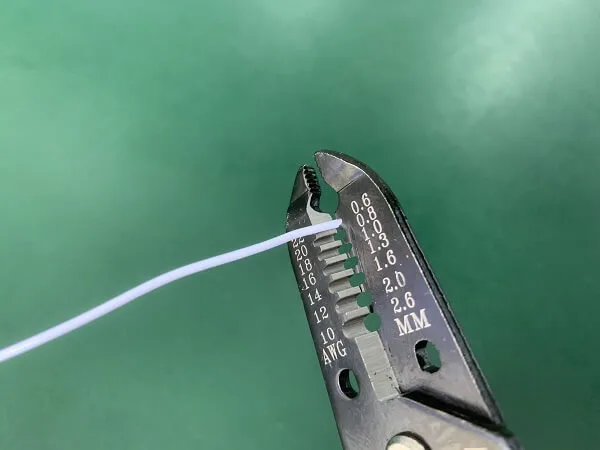
Mistake to Avoid: Over-stripping exposes too much wire, risking shorts.
Insert the stripped wire into the terminal, and crimp it.
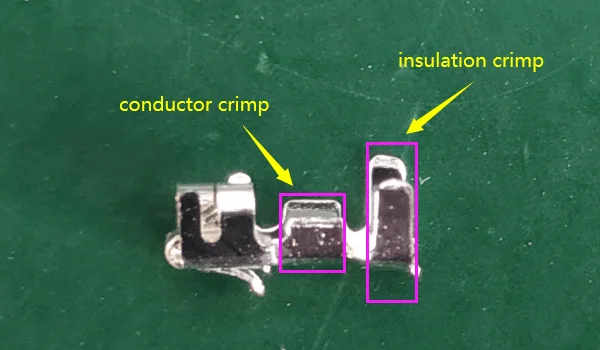

Tip: Centralize the wire strands for a uniform, strong crimp.

After crimping:
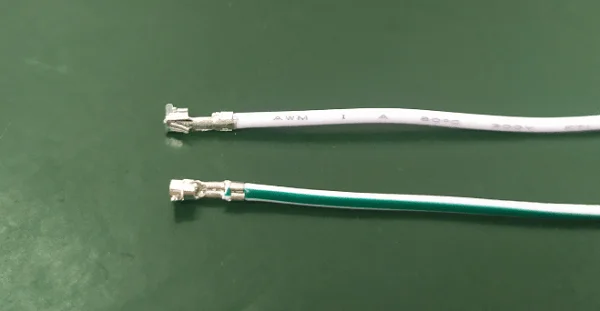
Insert the crimped terminal into the wire connector, ensuring the correct insertion direction so the locking tang on the terminal hooks securely onto the connector.
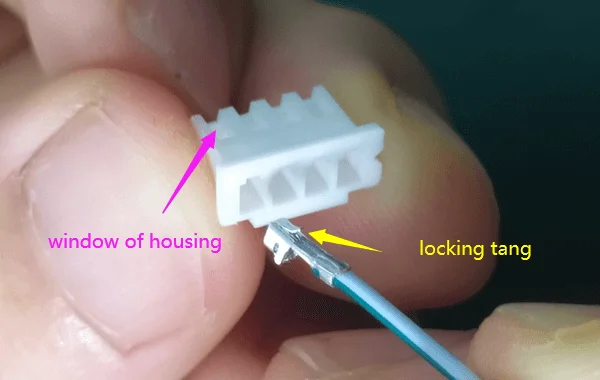
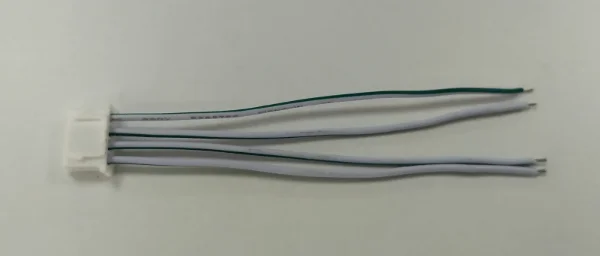
Tip: Align carefully to engage the lock.
Mistake to Avoid: Wrong direction prevents locking—double-check orientation.
Attach the terminal to the connector and tug gently to ensure it’s locked in place.
Tip: A quick pull test confirms reliability.
Mistake to Avoid: Skipping this step risks missing loose connections.
This process works great for hobbyists and DIYers handling small quantities. For mass production, LDZY's clients rely on fully automated systems and advanced testing for precision and scale.
Installing wire connectors the right way guarantees safe, durable connections—whether it’s a one-off project or a larger build. Ready to get started? Contact LDZY Electronics for top-quality connectors and custom solutions tailored to your needs, from small batches to industrial-scale production.
When designing compact electronic systems, choosing the right connector can make or break your project. Two popular options in the 1.25mm pitch category are the Molex PicoBlade and the JST GH. Both are widely used in small-scale applications, but they cater to slightly different needs. At LDZY Electronics, we understand the importance of precision and compatibility, so let’s break down these connectors to help you decide which fits your design—and how our alternatives can save you time and cost.

The Molex PicoBlade is a versatile 1.25mm pitch connector available in both wire-to-board and wire-to-wire configurations. It features a secure friction-lock mechanism and supports through-hole or surface-mount (SMT) headers. Compatible with wire gauges from 26 to 32 AWG, it’s built for durability, making it ideal for high-vibration environments like automotive or industrial applications. Its compact size also suits space-constrained designs.

The JST GH, also with a 1.25mm pitch, is a wire-to-board-only connector designed for lightweight, SMT applications. It includes a locking tab for secure mating and supports 26-30 AWG wires. Known for its use in drone electronics and compact consumer devices, the GH prioritizes simplicity and reliability in surface-mount setups where weight and space are critical.
Let’s dive into the specifics to see how these connectors stack up:
| Feature | Molex PicoBlade | JST GH |
|---|---|---|
| Pitch | 1.25mm | 1.25mm |
| Connection Type | Wire-to-board, wire-to-wire | Wire-to-board only |
| Locking Mechanism | Friction lock | Locking tab |
| Mounting Options | Through-hole or SMT | SMT only |
| Wire Gauge | 26-32 AWG | 26-30 AWG |
| Durability | High (vibration-resistant) | Moderate (lightweight focus) |
At LDZY Electronics, we offer cost-effective, high-quality alternatives to both Molex PicoBlade and JST GH connectors.
The Molex PicoBlade and JST GH both shine in compact applications, but your choice depends on your project’s needs. Need flexibility and ruggedness? Go with PicoBlade. Prioritizing lightweight SMT designs? GH might be your pick. Whatever you decide, LDZY Electronics is here to support you with reliable alternatives.
Molex connectors are a go-to choice in industries like automotive, datacom, and consumer electronics, prized for their reliability and compact design. Within the Micro-Fit family, the standard Micro-Fit and Micro-Fit Plus are two high-power options that often spark questions: what’s the difference, and are they interchangeable? In this post, we’ll explore their distinctions—including all available options, compatibility, and benefits—to help you pick the right connector for your project.
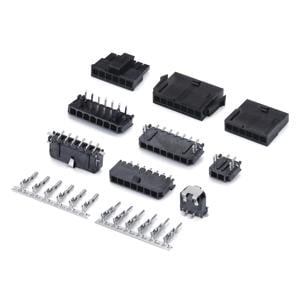
The Molex Micro-Fit is a 3.00mm-pitch connector for wire-to-board and wire-to-wire applications, delivering up to 8.5A per circuit in a small package. It’s a favorite for space-limited designs like LED lighting, laptops, and automotive sensors. Available options include:
At LDZY Electronics, we offer affordable, Molex-compatible alternatives to the standard Micro-Fit, perfect for cost-effective solutions.
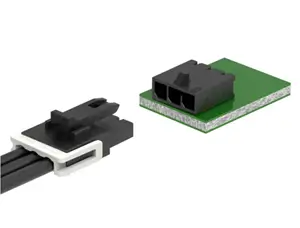
The Micro-Fit Plus, an upgraded version with the same 3.00mm pitch, boosts current capacity to 13A per circuit. It’s tailored for high-performance applications—such as automotive systems, datacom equipment, and medical devices—where power and reliability are key. Its options include:
No, they are not intermatable. The standard Micro-Fit and Micro-Fit Plus product families have different keying and polarization, preventing them from mating together. This distinction ensures proper connector selection for your specific design, avoiding compatibility issues.
So, what sets these two connectors apart? Here’s a clear comparison:
| Feature | Micro-Fit | Micro-Fit Plus |
|---|---|---|
| Current Capacity | Up to 8.5A | Up to 13A |
| TPA | Optional secondary lock | Enhanced TPA (standard) |
| Blind Mating | Yes | Yes |
| Mating Force | Standard | Lower for easier mating |
| Durability | 100 cycles (standard), 250 (RMF) | Up to 250 cycles or higher |
| Intermatable | No | No |
| Cost | Budget-friendly | Premium |
At LDZY Electronics, we specialize in alternatives to the standard Micro-Fit, providing a high-quality, affordable option for customers who don’t need the extra power or TPA of the Plus version.
Micro-Fit Plus shines with its higher current rating (13A) in a compact package, making it perfect for automotive or datacom applications where space and power matter. Its lower mating force also stands out, enhancing ergonomics by minimizing operator fatigue and discomfort—ideal for high-volume assembly or frequent connections. Combined with enhanced TPA and durability, it’s a robust choice for demanding environments.
It depends on your needs:
Consider your power needs, budget, and operating conditions.
In summary, the Molex Micro-Fit and Micro-Fit Plus cater to different needs: the standard version offers a cost-effective, reliable option for everyday applications, while the Plus version delivers enhanced power, durability, and TPA for more demanding projects. At LDZY Electronics, we provide top-tier alternatives to the Micro-Fit, ensuring you get the performance you need at a competitive price. Ready to get started? Contact us today for a quote or to discuss your custom connector needs!
Molex connectors are a trusted name in electronics, known for their durability and adaptability across countless applications. Whether you’re working on a space-constrained device or a high-power system, Molex has a connector to fit the bill. In this post, we’ll explore some of the most widely used Molex connector types, focusing on wire-to-board and wire-to-wire categories. To help you find the right fit, we’ve sorted them by pitch size—from smallest to largest—making it easy to compare options and choose what works for your project.
What’s pitch size? It’s the distance between the centers of adjacent pins in a connector. Smaller pitches are perfect for compact designs, while larger ones handle higher currents and voltages. This guide breaks down each series with key details: pitch, category, wire size (AWG), pin numbers, maximum current and voltage, and common applications. Let’s dive in!
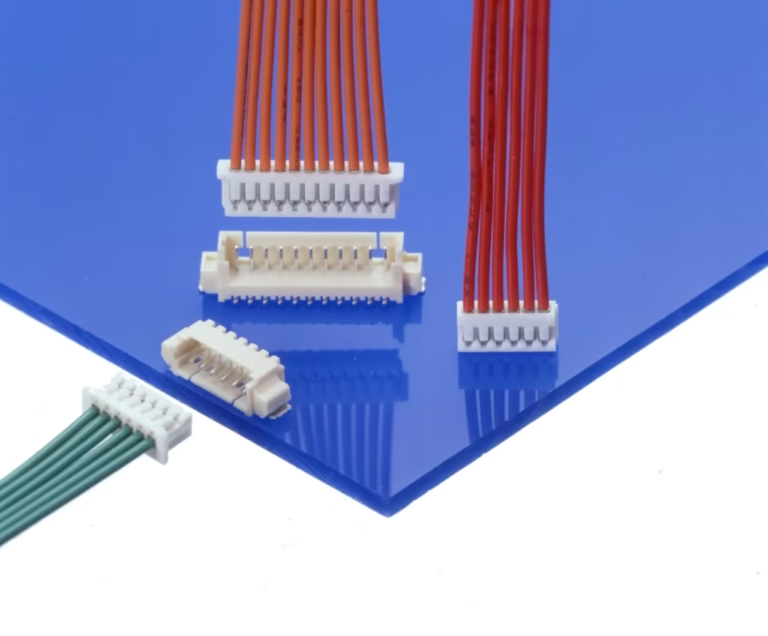
PicoBlade connectors offer high-performance wire-to-board and wire-to-wire solutions with tin and gold-plated options, ensuring flexibility, reliability, and durability for diverse applications and industries.
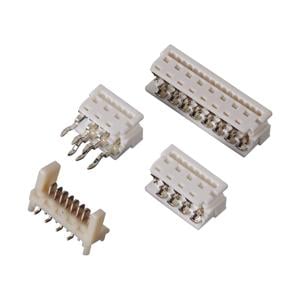
The Molex 1.27mm Picoflex IDT Connector System is a compact, versatile solution for high-density ribbon cable applications, offering reliable power and signal connections. It features a secure terminal design with locking and strain relief, ideal for high-vibration and shock-heavy environments.
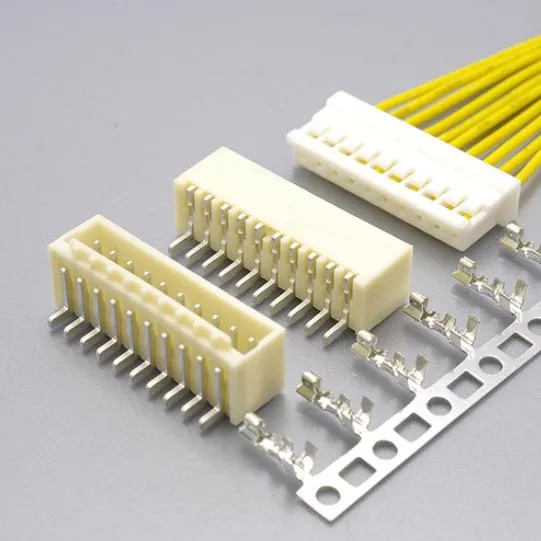
The Molex Pico-SPOX Wire-to-Board Connector System is designed for higher-current, space-constrained applications, delivering up to 2.5 A in a compact 1.50mm pitch. It features a dual-point contact design for enhanced reliability, a friction lock for secure mating retention, and polarizing keys to prevent mismating. Ideal for tight packaging in consumer electronics, automotive, and industrial devices, this system ensures robust performance with easy assembly.
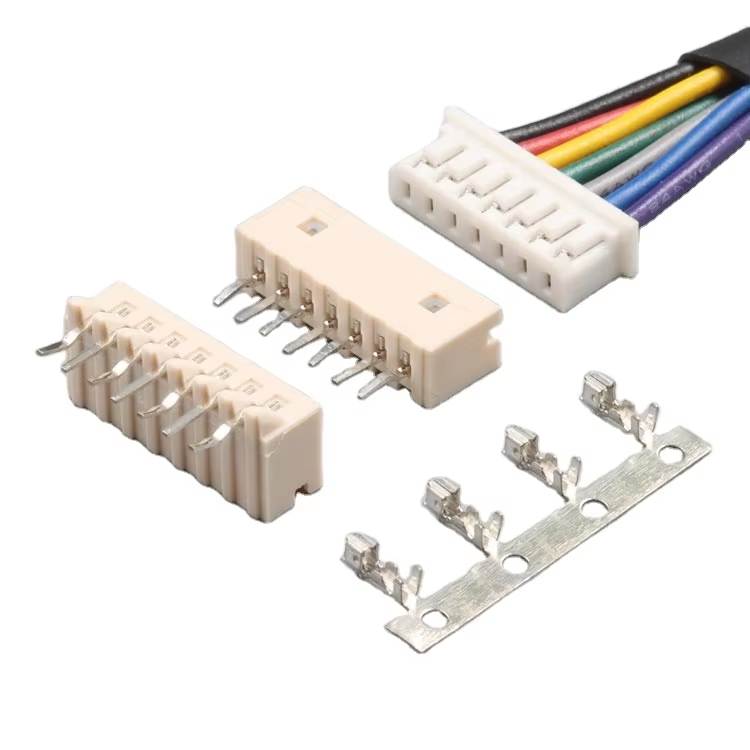
The Molex MicroBlade Connector System is a compact, cost-effective solution designed for reliable wire-to-board connections in space-constrained applications. Featuring a friction lock for secure mating and a box-style contact for enhanced durability, it’s well-suited for consumer electronics, industrial devices, and other environments requiring dependable performance.
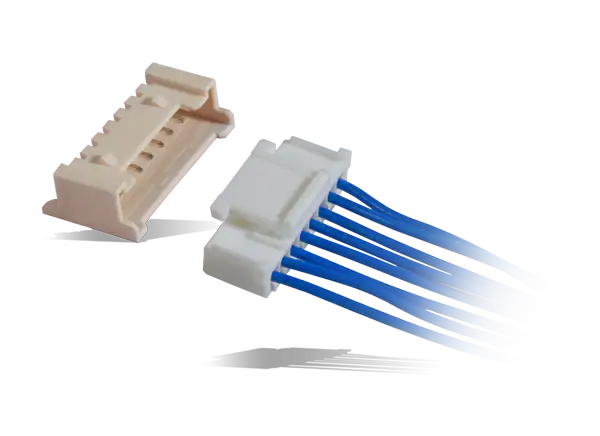
The Molex Sherlock Connector System is a cost-effective, reliable wire-to-board solution designed for applications requiring secure mating. It features a wide-latch area for easy operation, positive locking with an audible click, and a compact 2.00mm pitch, making it ideal for space-constrained designs in consumer electronics and industrial applications.
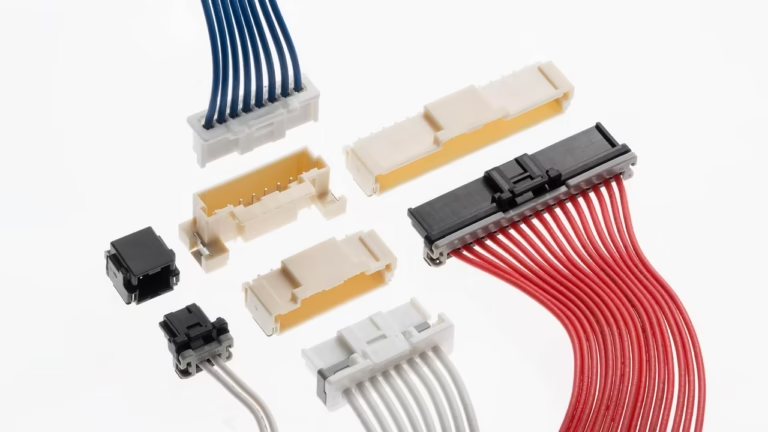
The Molex DuraClik 2.00mm Pitch Wire-to-Board Connector System is engineered for high-vibration and high-temperature applications, delivering superior electrical contact reliability and space savings. Featuring an independent secondary lock (ISL) and a wide latch with an audible “click” for secure mating, it’s ideal for automotive (e.g., LED lighting, steering systems) and consumer white goods environments requiring robust performance up to 125°C.

The Molex Mini-SPOX 2.50mm Wire-to-Board Connector System is designed for compact applications, delivering electrical and mechanical reliability in a high-temperature design. It features a friction lock for secure mating retention and polarizing features to ensure proper orientation, making it suitable for automotive, consumer, and industrial applications where space is limited and durability is key.

The Molex SL (Stackable Linear) Modular Connector System is a versatile, high-performance solution designed for both wire-to-wire and wire-to-board applications. With a 2.54mm pitch, it offers a positive locking mechanism and terminal position assurance (TPA) to ensure secure mating and prevent terminal backout, making it ideal for high-vibration environments like automotive, consumer electronics, and industrial systems. Its modular design supports a variety of configurations, enhancing flexibility for custom assemblies.
The Molex Micro-Fit Connector System is a compact, high-density solution designed for power and signal applications requiring reliable connectivity in space-constrained environments. With a 3.00mm pitch, it delivers up to 10.5A of current, making it suitable for mid-range power needs. Featuring fully isolated terminals, positive locking, and options like blind-mate interfaces (BMI), it ensures secure mating and durability across industries such as consumer electronics, automotive, and industrial equipment.
The Molex Mini-Fit Connector System is a versatile, high-density power solution designed for both wire-to-board and wire-to-wire applications. It includes variants like Mini-Fit Jr., Mini-Fit Plus, and Mini-Fit TPA2, offering features such as polarized housings, positive locks, and fully isolated terminals. With a robust design that supports up to +125°C operating temperatures, it’s ideal for industries ranging from consumer electronics to industrial equipment, providing flexibility and reliability in mid-range power delivery.

The Molex Mega-Fit Connector System delivers exceptional power density, providing up to 30A per circuit in a compact 5.70mm pitch design. Engineered for both wire-to-wire and wire-to-board applications, it features fully isolated terminals, positive locking, and a split-box terminal design with six independent contact points for long-term reliability. Ideal for high-current applications in industries like automotive, industrial, and consumer electronics, Mega-Fit connectors also offer unique keying options to prevent mis-mating, ensuring secure and robust connections.